
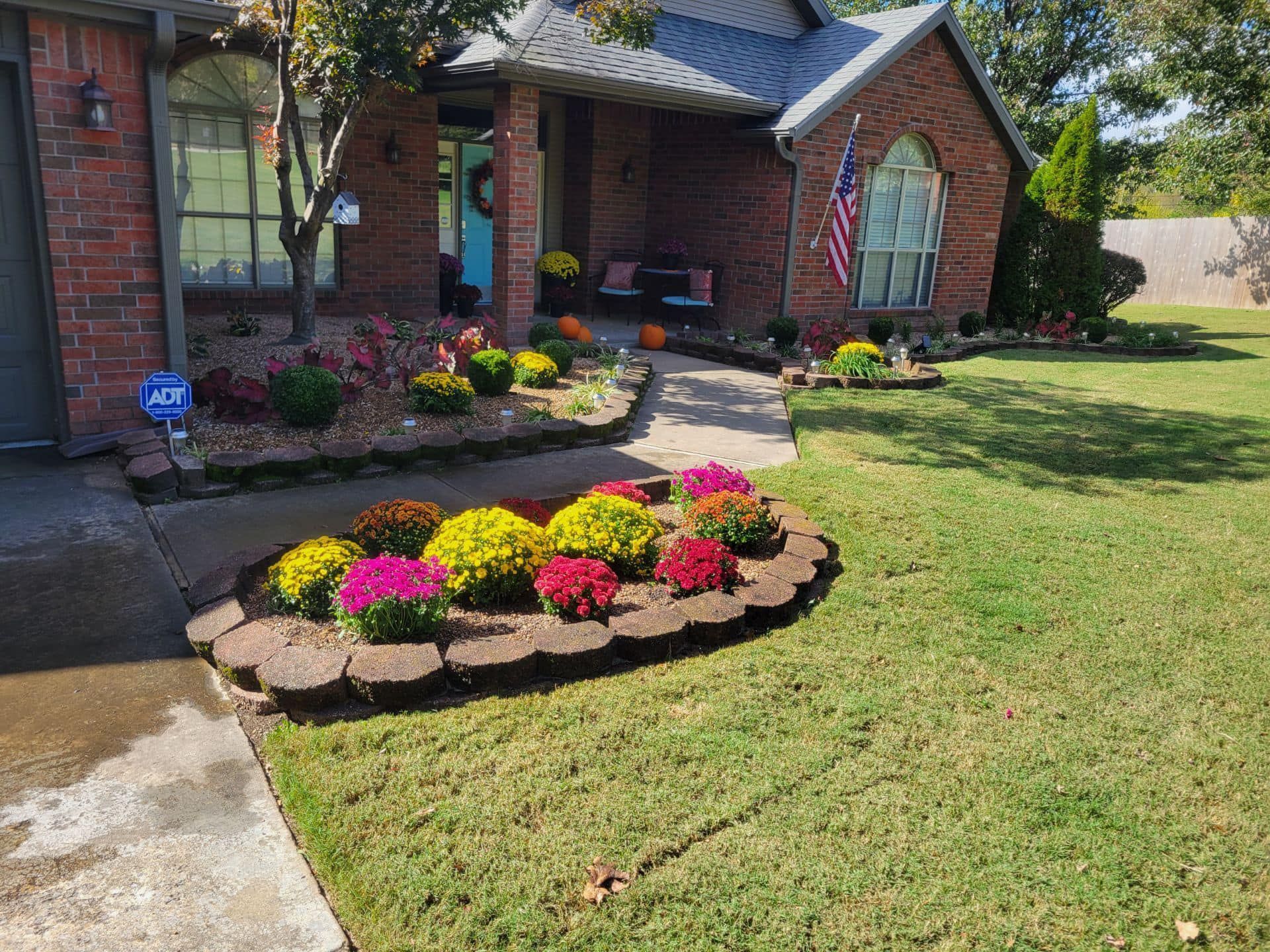
How a Custom Landscape Design Can Transform Your Outdoor Space
January 6, 2026
Your outdoor space is more than just a patch of grass or a backyard patio—it is an extension of your home, reflecting your personal style, lifestyle, and values. A thoughtfully designed landscape can turn an ordinary yard into a visually stunning, functional, and inviting environment. Whether you aim to create a peaceful retreat, an entertainment hub, or a family-friendly garden, a custom landscape design offers the foundation for achieving your vision. With the right planning and creativity, your outdoor space can be transformed into a place that complements your home’s architecture and meets your specific needs.
In today’s fast-paced world, outdoor living has gained increasing importance. Homeowners are seeking unique and practical ways to enhance curb appeal, increase property value, and create sustainable, low-maintenance landscapes. A professional custom landscape design considers these factors while integrating aesthetics, functionality, and long-term value. By blending natural elements, hardscaping, lighting, and thoughtful plant selection, you can create a harmonious outdoor environment. Understanding the transformative power of custom landscaping is essential for anyone looking to maximize the potential of their yard while creating a space that inspires, relaxes, and delights every time you step outside.
Understanding Custom Landscape Design
What Is Custom Landscape Design?
Custom landscape design is a comprehensive approach to planning and executing outdoor spaces tailored to the unique characteristics of your property and your personal preferences. Unlike generic landscaping solutions, it involves analyzing the site’s topography, soil composition, climate, and natural vegetation. A well-thought-out design addresses practical concerns, such as drainage, maintenance, and privacy, while also delivering aesthetic appeal. Professional landscape designers use these insights to create a cohesive plan that balances hardscapes, plantings, and functional zones for living, entertaining, and recreation.
Key Elements of a Custom Design
- Site Analysis – Understanding the site’s natural features, sunlight patterns, and existing structures is crucial to determine the best placement for plants, patios, water features, and walkways.
- Plant Selection – Choosing the right plants ensures seasonal interest, sustainability, and low-maintenance upkeep. Native plants are often recommended for their resilience and environmental benefits.
- Hardscaping Features – Pathways, retaining walls, decks, and patios add structure and usability to outdoor spaces while enhancing visual appeal.
- Functional Zones – A well-designed landscape often includes distinct areas for relaxation, social gatherings, outdoor dining, and gardening.
Benefits of Investing in a Custom Landscape
Investing in custom landscape design provides long-term value. Beyond beautifying your yard, it can increase property value, reduce water and maintenance costs through strategic plant selection, and improve the overall quality of outdoor living. Homeowners can create personalized spaces that reflect their tastes, support lifestyle needs, and adapt to changing seasons, making the investment worthwhile.
Enhancing Aesthetics Through Design
Balancing Form and Function
A custom landscape design harmonizes beauty and practicality. Symmetry, proportion, and color coordination play essential roles in creating a visually appealing environment. By strategically positioning focal points such as sculptures, water features, or garden beds, designers guide the eye and establish a sense of order and flow. Functional elements like patios, seating areas, and walkways are seamlessly integrated, so the landscape feels natural and inviting while supporting everyday use.
Seasonal Interest and Color Palettes
A professional design ensures year-round visual interest. By selecting plants with staggered blooming periods, varied foliage textures, and complementary colors, homeowners can enjoy a vibrant landscape throughout the year. Deciduous and evergreen plants, flowering shrubs, and ornamental grasses can be combined to create depth, contrast, and seasonal variation. This intentional planning prevents the yard from feeling static or monotonous and adds an artistic dimension to outdoor spaces.
Lighting and Ambiance
Outdoor lighting is often overlooked, but it is vital for both aesthetics and functionality. Landscape lighting enhances pathways, highlights key features, and adds ambiance to evening gatherings. Well-placed lighting can dramatically change the perception of space, making it appear larger, warmer, and more welcoming. Designers incorporate energy-efficient lighting solutions to maintain sustainability without sacrificing visual impact.
Maximizing Functionality and Outdoor Living
Creating Usable Spaces
Custom landscape design prioritizes usability. By incorporating outdoor kitchens, seating areas, fire pits, and patios, homeowners can transform their yards into versatile living spaces. Thoughtful placement of these features ensures that outdoor spaces support entertaining, relaxation, and family activities while maintaining a cohesive flow. For example, placing a seating area near a garden feature or a fire pit near a dining area enhances both comfort and convenience.
Privacy and Noise Reduction
A custom design can address privacy concerns and mitigate noise, especially in urban or suburban settings. Strategically placed hedges, screens, and fencing, combined with layered plantings, create natural barriers without compromising aesthetics. Additionally, water features and plant density can reduce ambient noise, creating a serene retreat for homeowners.
Accessibility and Safety Considerations
Accessibility and safety are crucial in a functional landscape. Paths should be level, well-lit, and constructed with non-slip materials. Steps, ramps, and handrails can be incorporated where needed to accommodate people of all ages and mobility levels. By considering these factors early in the design process, homeowners can ensure a safe, inclusive, and enjoyable outdoor environment.
Sustainable and Low-Maintenance Landscaping
Water Efficiency and Native Plants
Sustainable landscaping focuses on reducing resource consumption while maintaining visual appeal. Incorporating native plants, drought-tolerant species, and xeriscaping techniques can significantly lower water use. Rain gardens and strategically placed mulch further help conserve water and promote healthy soil. Native plants require minimal chemical treatments and are naturally adapted to local conditions, reducing the need for fertilizers, pesticides, and intensive maintenance.
Eco-Friendly Practices
Sustainable landscaping also emphasizes eco-friendly practices. Composting, organic fertilization, and integrated pest management support a healthy ecosystem and minimize environmental impact. Using recycled or locally sourced materials for hardscaping further enhances sustainability. Designers can create landscapes that not only look beautiful but also contribute positively to the local environment.
Low-Maintenance Design Strategies
A thoughtful custom landscape incorporates low-maintenance strategies to reduce long-term upkeep. Grouping plants with similar care requirements, using automated irrigation systems, and selecting resilient species ensure that the landscape remains attractive and healthy with minimal effort. Homeowners can enjoy a beautiful outdoor space without the burden of constant maintenance, making their investment more manageable and enjoyable.
Increasing Property Value and Market Appeal
The Financial Benefits of Landscaping
A well-designed landscape can significantly increase a property’s value. Prospective buyers often consider outdoor spaces when evaluating a home, and a professionally landscaped yard can make a lasting impression. Features such as patios, decks, water elements, and lush plantings can enhance curb appeal and perceived property quality. Research shows that homes with thoughtfully designed landscapes often sell faster and at higher prices compared to those with minimal or uncoordinated landscaping.
Creating a Unique Selling Point
Custom landscaping provides a unique selling point that distinguishes your home from others in the neighborhood. Personal touches, like bespoke garden features, native plantings, or artistic hardscape elements, create memorable experiences that appeal to buyers. Beyond financial gains, these enhancements also offer long-term lifestyle benefits, combining beauty, functionality, and sustainability.
Expert Advice for Homeowners
Professional landscape designers offer expert insights into trends, materials, and plant choices that maximize both aesthetics and marketability. They provide guidance on long-term maintenance planning, seasonal rotations, and landscape longevity, ensuring that the investment remains attractive and functional for years to come.
Overcoming Common Landscaping Challenges
Site Limitations and Terrain Challenges
Not all properties are ideal for landscaping. Sloped terrain, poor soil, or compact spaces can pose challenges. A custom design addresses these issues through grading, terracing, retaining walls, or raised garden beds. By transforming limitations into opportunities, designers create functional and visually appealing outdoor spaces.
Budget Considerations
Budget constraints are a common concern for homeowners. Custom landscape design helps prioritize essential elements while identifying cost-effective solutions. Phased installation, selecting low-maintenance materials, and focusing on high-impact areas allow homeowners to achieve significant improvements without overspending.
Maintenance and Seasonal Challenges
Seasonal changes, pest infestations, and plant diseases can complicate landscape upkeep. A professional designer anticipates these challenges by selecting resilient plant species, implementing integrated pest management, and recommending preventive care practices. This proactive approach minimizes problems and ensures long-term landscape health.
Weather and Climate Adaptation
Local climate significantly influences landscape performance. Designers evaluate sun exposure, wind patterns, and rainfall to recommend plants and features that thrive in specific conditions. By adapting to environmental factors, homeowners can enjoy a landscape that remains vibrant, functional, and sustainable year-round.
Achieving Long-Lasting Beauty with Expert Landscape Planning
At Perfect Edge Lawn Care, we understand the transformative power of custom landscape design. Based in Springdale, Arkansas, our team brings 15 years of experience to every project, combining expertise, creativity, and attention to detail. We work closely with homeowners to develop personalized designs that enhance aesthetics, functionality, and sustainability, ensuring each outdoor space reflects the client’s unique vision. From initial consultation and site analysis to installation and ongoing maintenance, our approach is professional, comprehensive, and focused on delivering long-lasting results. Whether you are looking to create a serene backyard retreat, a vibrant entertainment area, or a low-maintenance sustainable landscape, we offer the guidance, resources, and expertise to make it a reality. We pride ourselves on building strong client relationships, providing transparent communication, and delivering exceptional service that exceeds expectations. With Perfect Edge Lawn Care, your outdoor space can truly become an extension of your home—a place where beauty, comfort, and functionality coexist seamlessly.
Recent Posts


Ready to Upgrade Your Landscape?
Perfect Edge Lawn Care provides professional landscaping services built on experience, reliability, and proven results. Whether you need ongoing maintenance or a new landscape project, our team is ready to help. We focus on clear communication, dependable scheduling, and results that enhance your property in the long term.