
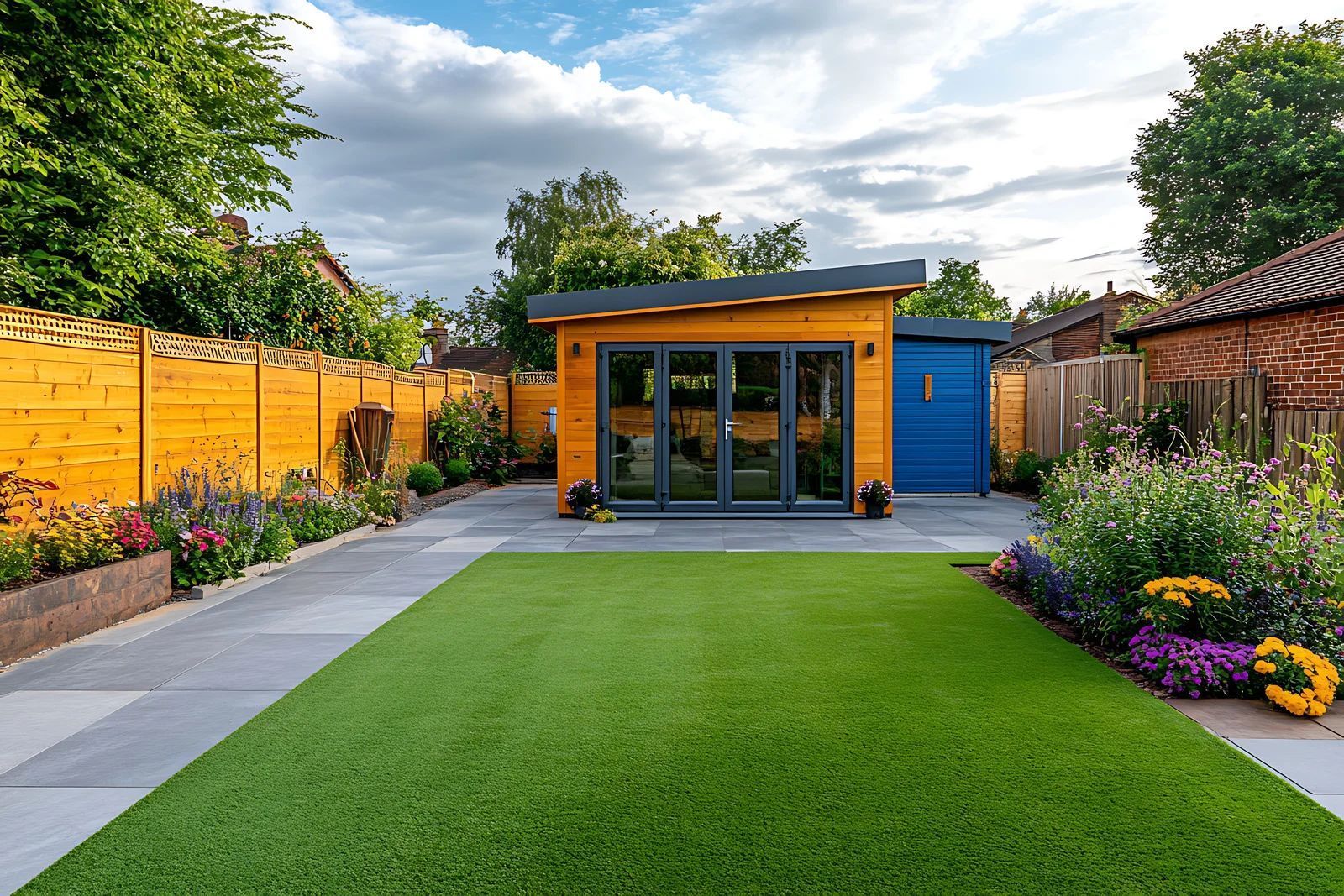
Artificial Grass vs. Natural Grass: Which Is Better for Your Home?
February 4, 2026
Maintaining a beautiful, lush lawn is a priority for many homeowners, yet choosing the right type of grass is more complex than simply planting seeds or installing turf. As environmental concerns, maintenance demands, and lifestyle preferences evolve, homeowners face an important decision: should they invest in natural grass or opt for artificial alternatives? Each option offers distinct advantages and challenges, and understanding these differences is critical for making a decision that balances aesthetics, cost, sustainability, and functionality.
Natural grass has long been the standard for residential lawns, offering a soft, cooling surface, a natural ecosystem for insects and soil organisms, and the aesthetic appeal of a living landscape. However, it demands consistent maintenance, including watering, mowing, fertilizing, and pest control. Artificial grass, on the other hand, promises a low-maintenance, evergreen lawn that stays pristine year-round. But it comes with its own set of considerations, such as upfront costs, heat retention, and environmental impact. This comparison is increasingly relevant as homeowners seek solutions that provide visual appeal, durability, and practicality while also aligning with their environmental and financial priorities. By exploring the benefits and drawbacks of both options, homeowners can make an informed choice tailored to their needs.
1. Understanding Natural Grass
The Appeal of Natural Grass
Natural grass has been a staple of residential landscaping for centuries. Its soft texture, vibrant color, and natural scent create a welcoming outdoor environment that encourages relaxation, play, and social gatherings. Beyond aesthetics, natural grass contributes to air purification, reduces soil erosion, and helps manage rainwater runoff. For families with children or pets, it provides a comfortable, safe surface that enhances outdoor activities.
Maintenance Requirements
Despite its benefits, natural grass requires consistent maintenance. Mowing, watering, fertilizing, and aeration are essential to keep it healthy and green. Seasonal changes, such as droughts in summer or heavy rainfall in spring, can stress the lawn, leading to brown patches, weeds, or soil compaction. Effective lawn care demands both time and knowledge of proper techniques, as incorrect practices can damage the lawn or increase long-term costs.
Environmental Considerations
Natural grass has both positive and negative environmental impacts. On the positive side, it produces oxygen, supports local biodiversity, and aids in cooling the surrounding environment. On the downside, maintaining a pristine lawn often requires significant water usage, chemical fertilizers, and pesticides, which can contribute to resource depletion and pollution. Homeowners must weigh the ecological footprint of regular lawn care against the benefits of a thriving natural lawn.
2. Exploring Artificial Grass
Composition and Design
Artificial grass is made from synthetic fibers designed to mimic the appearance and feel of natural grass. Modern technology allows for highly realistic textures, varying blade lengths, and multiple color tones that can closely resemble living grass. Beneath the surface, proper drainage systems and infill materials ensure durability, stability, and comfort underfoot.
Advantages of Artificial Grass
One of the most significant advantages of artificial grass is its low-maintenance nature. It eliminates the need for mowing, watering, and fertilization, saving both time and money over the long term. Artificial lawns remain green and uniform throughout the year, unaffected by weather conditions or seasonal changes. Additionally, they can withstand heavy foot traffic, making them ideal for active households or properties frequently used for entertainment or recreation.
Challenges and Considerations
While artificial grass offers convenience, it comes with some drawbacks. The initial installation cost is higher than natural grass, and the surface can retain heat during hot weather, making it uncomfortable in extreme temperatures. Some artificial lawns may also contribute to microplastic pollution over time, and they do not support natural soil ecosystems or biodiversity.
3. Comparing Cost and Longevity
Initial and Long-Term Costs
When evaluating natural versus artificial grass, cost is a critical factor. Natural grass generally has a lower initial cost, especially if grown from seed, but the ongoing expenses of watering, fertilizing, mowing, and pest control accumulate over time. Artificial grass requires a significant upfront investment, including site preparation, drainage installation, and turf purchase, but maintenance costs afterward are minimal. Over a 10–15-year period, the total cost of artificial turf may become competitive or even favorable compared to natural grass, particularly in water-restricted regions.
Durability and Lifespan
Natural grass is vulnerable to environmental stressors, heavy foot traffic, and pests, which can result in bald patches, weed growth, or soil degradation. Artificial grass, in contrast, is designed to endure constant use without significant wear and tear. High-quality synthetic lawns typically last 15–20 years with minimal maintenance, making them a practical choice for homeowners seeking a long-term solution with consistent appearance and functionality.
Real-World Example
Consider a family in a suburban neighborhood with children and pets. Natural grass may require frequent mowing and patch repairs due to high traffic areas, leading to added expenses and effort. In contrast, artificial grass provides a safe, even surface that remains green year-round, reducing labor and providing immediate usability. However, the family must evaluate heat retention in summer and ensure proper drainage to prevent water accumulation.
4. Environmental Impact and Sustainability
Water Conservation
Natural grass is highly water-intensive, particularly in arid or drought-prone areas. Lawns often require hundreds to thousands of gallons of water per month, contributing to high utility bills and environmental strain. Artificial grass, conversely, requires no watering, conserving water and reducing overall environmental impact. For homeowners looking to minimize water usage, synthetic lawns offer a compelling alternative without sacrificing visual appeal.
Chemical Usage
Maintaining a healthy natural lawn often involves fertilizers, herbicides, and pesticides. While these chemicals improve growth and appearance, they can leach into local waterways, harming aquatic life and soil health. Artificial grass eliminates the need for chemical treatments, providing an environmentally cleaner option in this regard. However, it is essential to consider the production process of synthetic materials, which relies on petroleum-based products and can generate emissions.
Heat Retention and Local Climate
Artificial grass absorbs and retains heat more than natural grass, which can raise surface temperatures significantly on hot days. This factor may impact comfort levels and the microclimate of your yard. In contrast, natural grass has a cooling effect due to transpiration, lowering surrounding air temperatures. Homeowners in hot climates should assess whether additional shading or heat-reducing infill materials are necessary for synthetic lawns.
Supporting Biodiversity
Natural grass supports insects, soil organisms, and small wildlife, contributing to a balanced ecosystem. Artificial grass, while convenient, lacks these ecological benefits. Homeowners committed to enhancing biodiversity and fostering local wildlife may prefer natural lawns or integrate synthetic grass selectively in high-traffic or low-growth areas.
5. Aesthetics and Lifestyle Considerations
Visual Appeal
The appearance of a lawn is often the primary consideration for homeowners. Natural grass offers a dynamic, living landscape that changes with seasons, providing rich textures and subtle color variations. Artificial grass can replicate this look, but it remains uniform year-round. Advances in synthetic turf technology have made artificial lawns increasingly realistic, though some homeowners may still prefer the organic feel and variation of natural grass.
Functionality and Usage
Artificial grass excels in high-traffic areas, such as playgrounds, pet zones, or frequently used entertaining spaces, where natural grass may struggle to recover. Its durability and even surface allow for consistent usability regardless of weather conditions. Natural grass, while soft and comfortable, may require rotation, aeration, or reseeding to maintain optimal performance under heavy use.
Maintenance and Lifestyle Alignment
Homeowners with busy schedules or limited access to water may find artificial grass more suitable for their lifestyle. Conversely, those who enjoy gardening, landscaping, or hands-on outdoor maintenance may prefer natural grass for the personal satisfaction and environmental benefits it offers. Matching lawn type to lifestyle priorities ensures long-term satisfaction and minimizes frustration.
6. Making the Decision: Which Grass Fits Your Home?
Evaluating Your Priorities
Selecting between natural and artificial grass depends on multiple factors: budget, maintenance willingness, climate, environmental impact, and lifestyle preferences. For homeowners seeking low-maintenance, consistent appearance, and durability, artificial grass is a strong option. Those prioritizing ecosystem support, tactile experience, and seasonal variation may favor natural grass.
Hybrid Approaches
Some homeowners choose a combination approach, incorporating artificial grass in high-traffic zones while maintaining natural grass elsewhere. This hybrid method balances aesthetic appeal, durability, and environmental responsibility. Examples include backyard play areas, dog runs, or poolside landscapes, where synthetic grass provides practicality, and surrounding lawns retain natural beauty.
Expert Recommendations
Professional landscapers often advise conducting a site-specific assessment before committing to either option. Factors such as soil condition, sun exposure, drainage, and existing vegetation impact long-term success. Consulting with experienced professionals ensures proper installation, maximizes lifespan, and aligns the lawn solution with your home’s unique characteristics.
Professional Lawn Care Expertise from Perfect Edge Specialists
Choosing between artificial and natural grass is more than a matter of preference; it requires careful evaluation of cost, maintenance, environmental impact, aesthetics, and lifestyle. Perfect Edge Lawn Care, based in Springdale, Arkansas, brings 15 years of experience helping homeowners achieve the perfect lawn. Our team specializes in both natural and artificial grass solutions, providing expert guidance, professional installation, and ongoing support. We combine technical knowledge with practical insight, ensuring that each lawn we create is beautiful, functional, and sustainable. Homeowners trust Perfect Edge Lawn Care to transform outdoor spaces with precision, reliability, and attention to detail. Whether installing a low-maintenance artificial lawn or cultivating a lush natural yard, we prioritize quality, efficiency, and satisfaction. With over a decade of dedicated service, our reputation reflects our commitment to excellence, making us a trusted partner for Springdale residents seeking long-lasting, attractive lawns.
Recent Posts
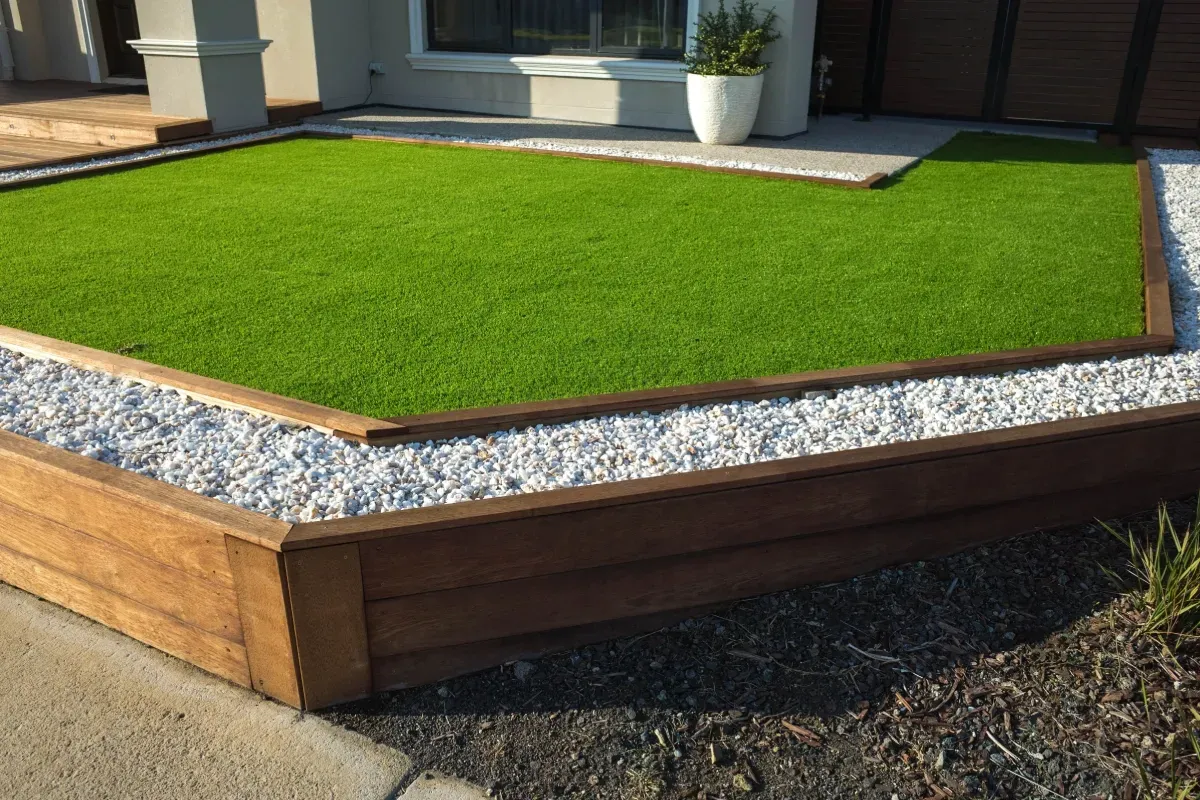


Ready to Upgrade Your Landscape?
Perfect Edge Lawn Care provides professional landscaping services built on experience, reliability, and proven results. Whether you need ongoing maintenance or a new landscape project, our team is ready to help. We focus on clear communication, dependable scheduling, and results that enhance your property in the long term.